

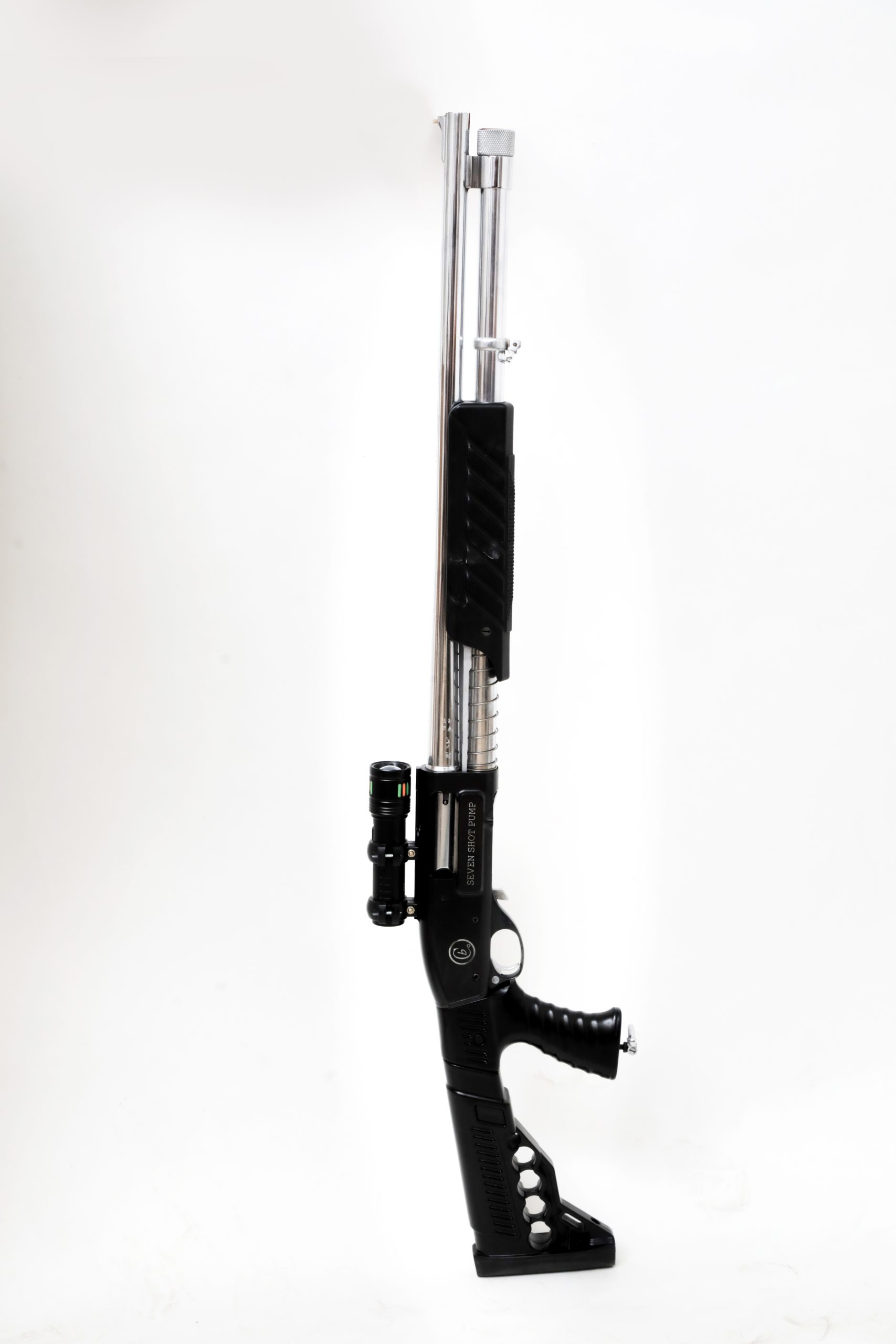
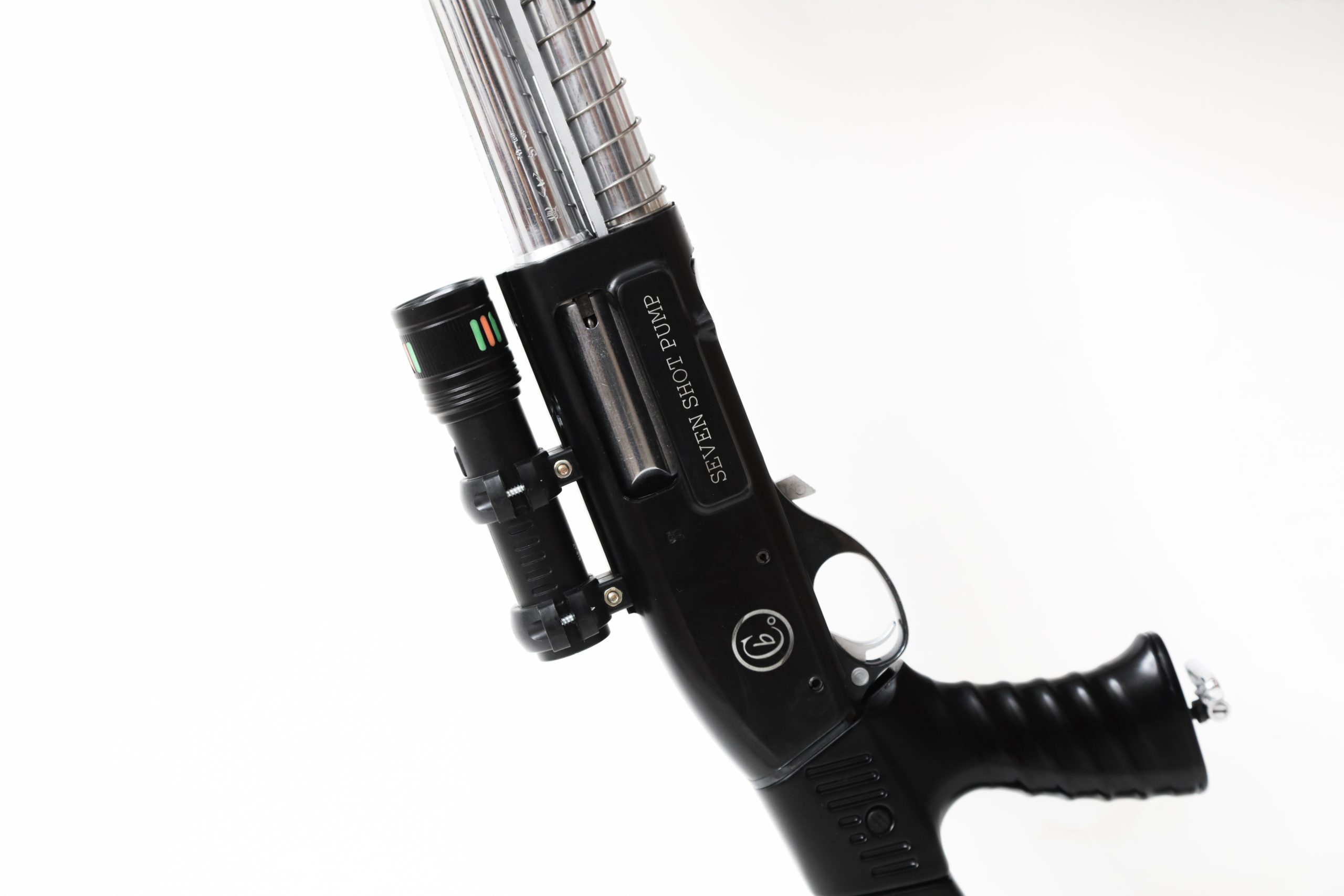
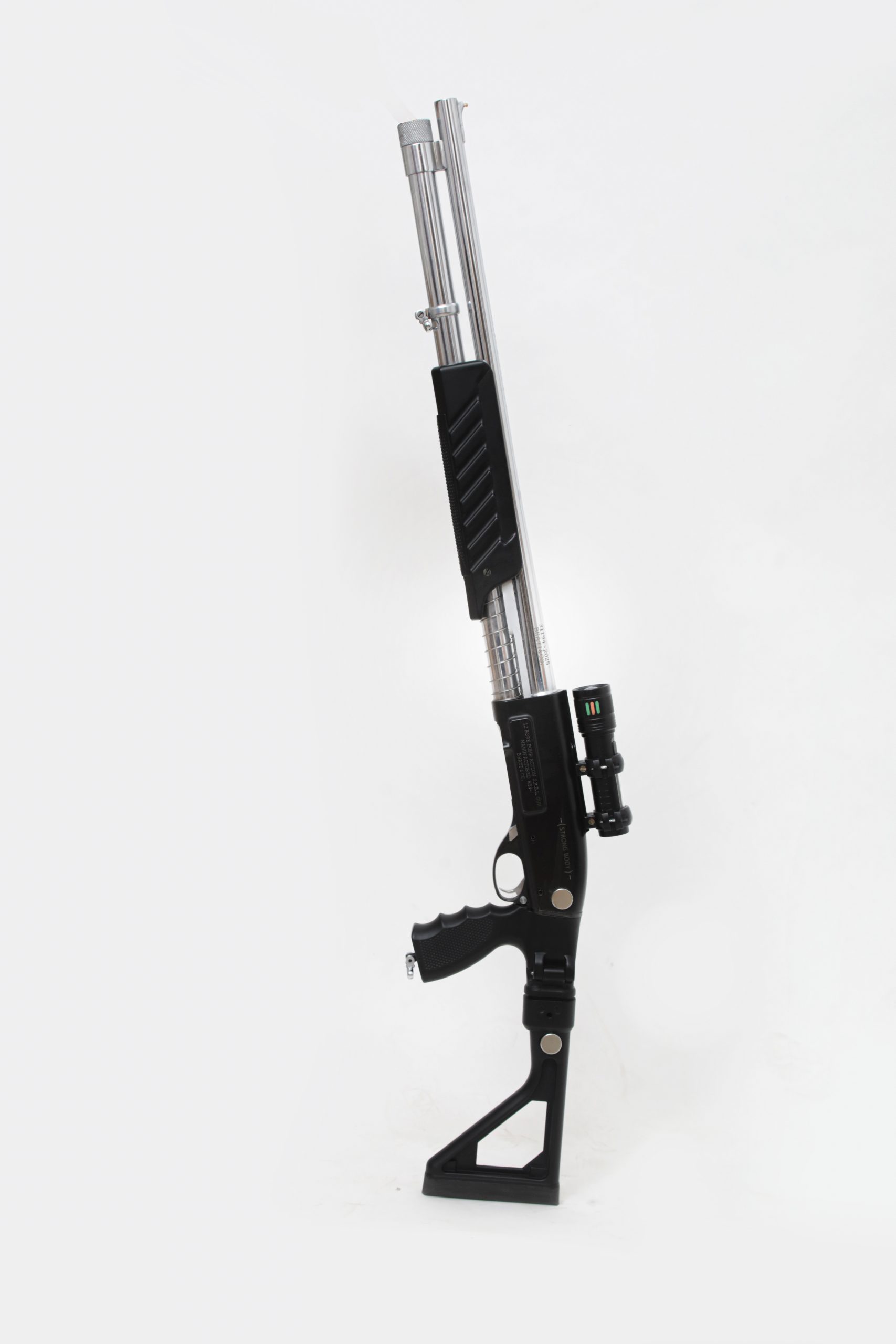
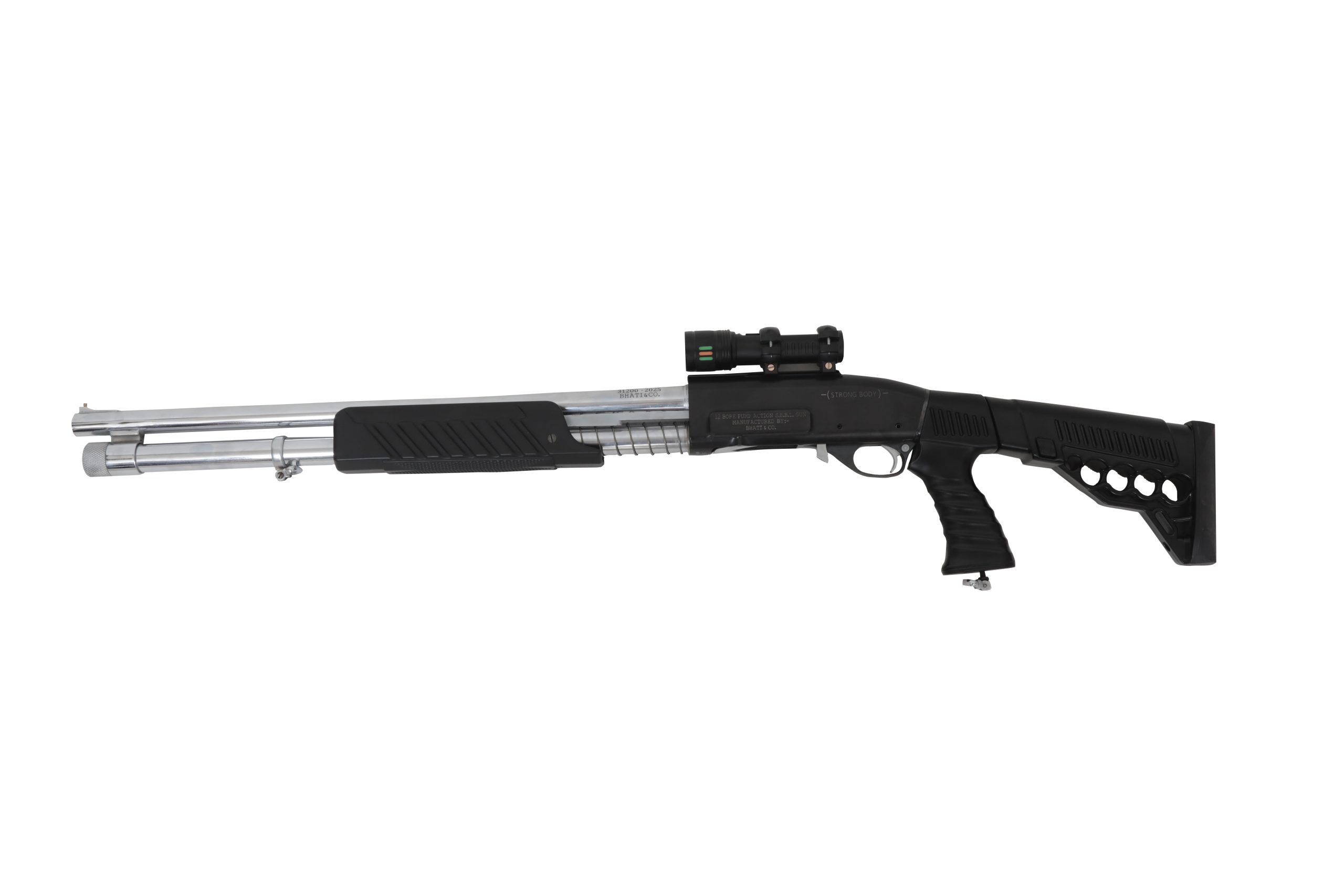


PUMP ACTION GUNS FROM BHATI AND CO.
In the realm of personal defense, estate security, and law enforcement in India, few firearms command as much respect, utility, and presence as the 12 Bore Single Barrel Breech Loading (SBBL) Pump-Action Shotgun. Characterized by its iconic sliding forend and devastating close-range capabilities, the pump-action shotgun bridges the gap between historical military innovation and modern civilian security needs.
For a premier manufacturer like Bhati & Co., Jodhpur (Estd. 1960), understanding the deep roots, legal evolution, and mechanical supremacy of this firearm is key to appreciating why it remains a top choice for shooters and self-protection lovers across the country.
1. The Genesis: History of the Pump-Action Mechanism
The concept of a manual "slide-action" or "pump-action" firearm was born in the 19th century as a solution to the slow reloading process of single-shot and double-barreled breech loaders.
- The Early Patents (1849–1866): The earliest iteration of a slide-action patent was granted to American inventor Lewis Jennings in 1849. However, this early model was actuated via a ring trigger rather than the handguard underneath the barrel. It wasn't until August 1866 that British designer William Krutzsch patented the first pump-action configuration utilizing a sliding handguard beneath the barrel.
- The Commercial Breakthrough (1882): The Spencer 1882 became the world's first commercially viable, mass-produced pump-action shotgun. It proved to the world that a shooter could keep their eyes locked on a target while cycling fresh ammunition from a tubular magazine located beneath the barrel.
- The John Moses Browning Era (1897): The true legendary status of the pump-action shotgun was cemented by John Moses Browning with the creation of the Winchester Model 1897. This hammer-fired shotgun was incredibly robust, so much so that it was adopted by the U.S. military as the "Trench Gun" during World War I. Its rapid "slamfire" capability allowed soldiers to sweep trenches with unmatched close-quarters firepower.
2. The Arrival and Evolution of the 12 Bore in India
The relationship between India and the 12 Bore smoothbore gun stretches back to the colonial era, but its transformation into a vital security tool occurred post-independence.
The Colonial Heritage
During the British Raj, smoothbore shotguns (primarily side-by-side Double Barrel Breech Loaders, or DBBL) were imported in massive quantities from British gun-making hubs like Birmingham and London for hunting and estate defense. Shotguns were preferred because they were incredibly versatile, reliable, and required less precision aiming than a rifled weapon under stressful conditions.
The Post-Independence Enigma & The IOF Shift
Following independence, the Arms Act of 1959 and the subsequent Arms Rules strictly classified firearms into two categories: Prohibited Bore (PB) (reserved for military and law enforcement) and Non-Prohibited Bore (NPB) (accessible to citizens with a valid license). The 12 Bore smoothbore shotgun safely fell under the NPB category, turning it into the gold standard for civilian self-protection, bank security guards, and agrarian property protection.
Though bureaucratic adjustments over the years occasionally restricted government-factory pump actions primarily to empanelled security agencies, banks, and public sector units (PSUs), the immense civilian demand for a high-capacity, manually operated multi-shot firearm never faded.
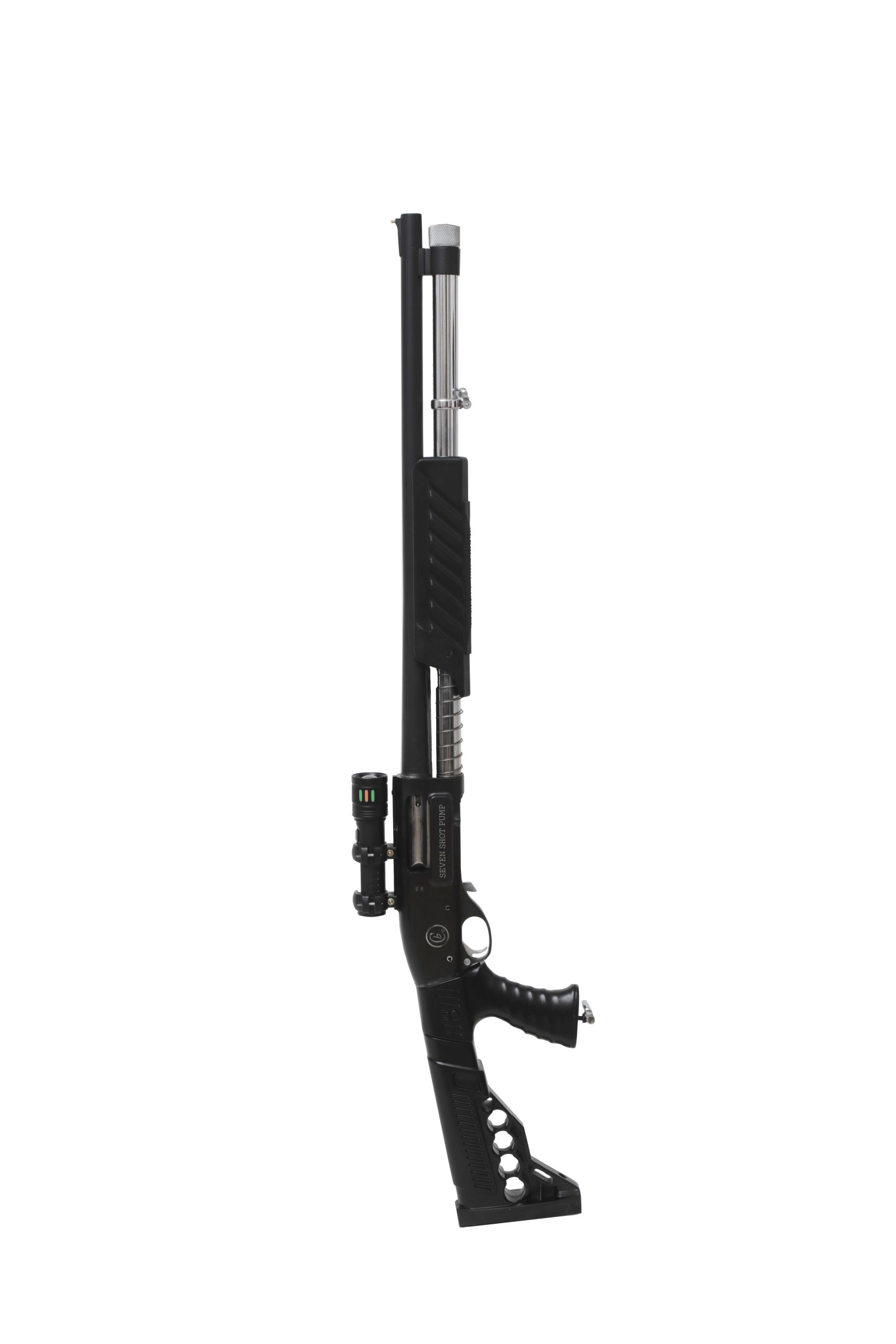
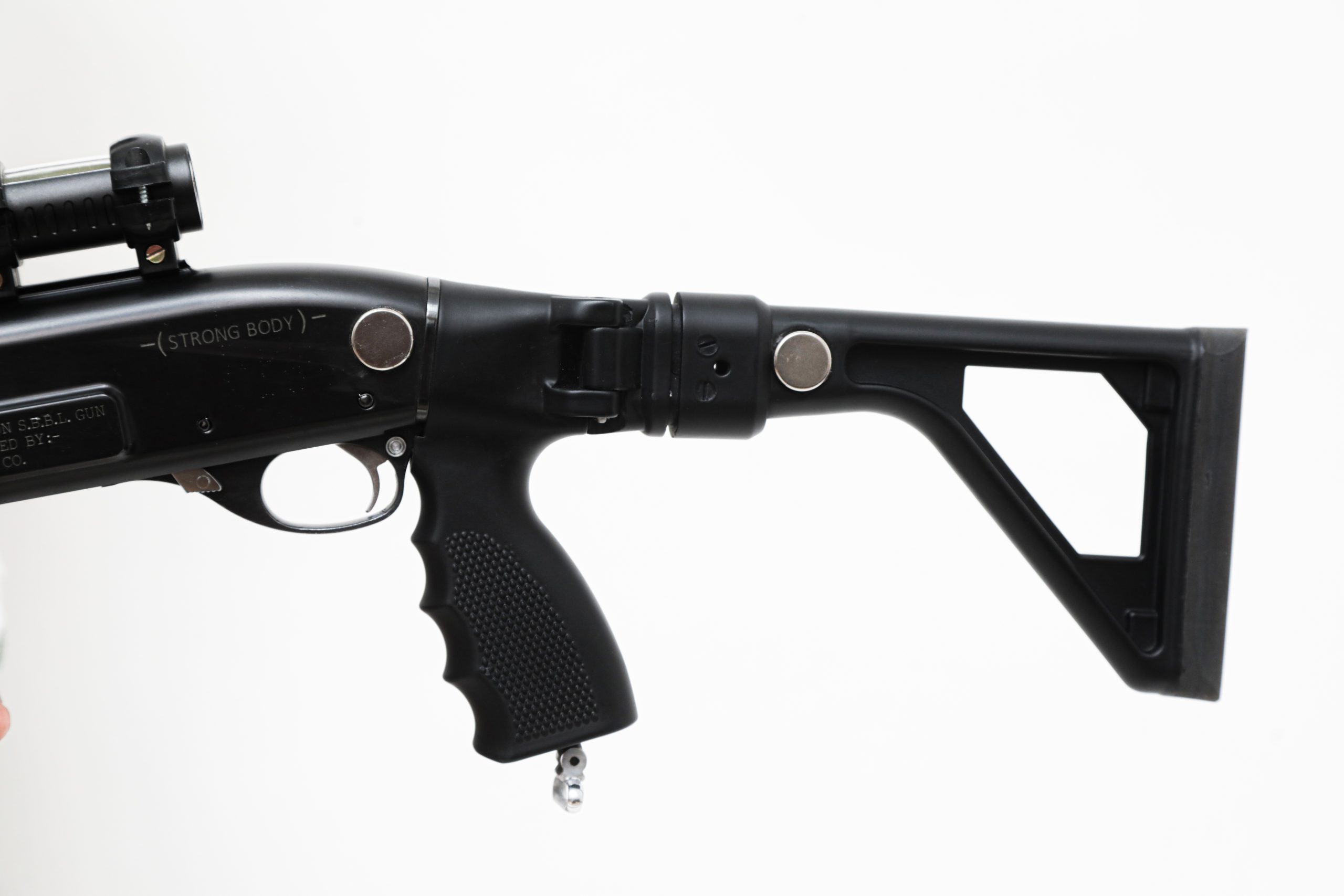
3. Technical Architecture: How the Pump-Action SBBL Works
The modern 12 Bore Pump-Action SBBL is celebrated for its inherent mechanical reliability over semi-automatic alternatives. Because the cycling mechanism is powered entirely by human muscle rather than the gas or recoil energy of the cartridge, it has specific functional advantages:
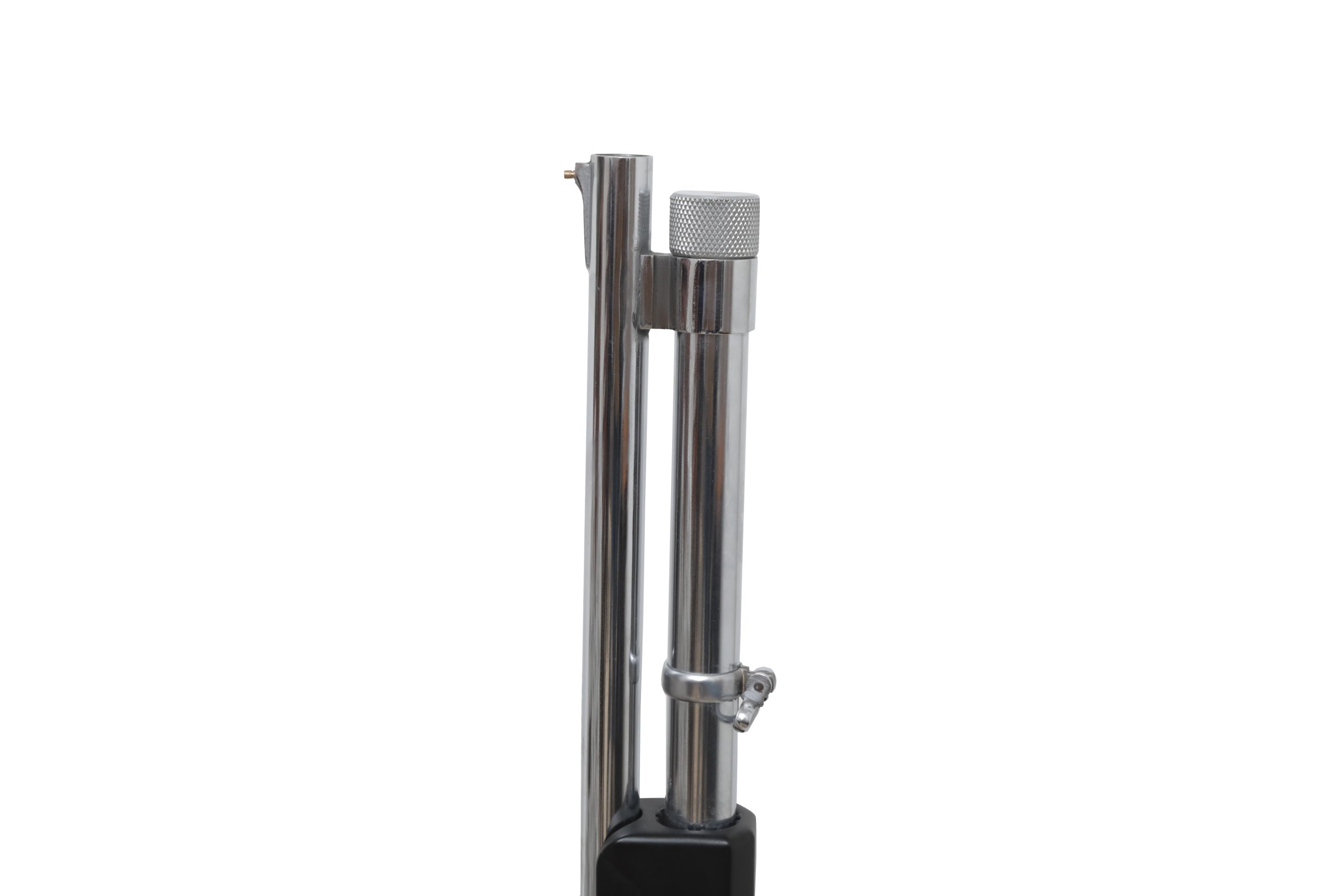
- The Tubular Magazine: Cartridges are loaded one-by-one into a magazine tube situated parallel to, and beneath, the barrel. Depending on the model variant, it typically holds between 4 to 7 rounds.
- The Cycle of Operation: Pulling the sliding forend (handguard) backward unlocks the breech, extracts the spent cartridge hull from the chamber, ejects it through the side port, and cocks the internal hammer. Pushing the forend forward strips a fresh shell from the magazine tube, lifts it, chambers it, and locks the breech block securely into place.
- Ammunition Flexibility: A major advantage of the pump-action over semi-automatics is its ability to chamber and fire a massive variety of low-pressure, high-pressure, or specialized cartridges without jamming. Whether utilizing lightweight sport loads or heavy defensive rounds, the manual pump bypasses cycling failures entirely.
4. Bhati & Co., Jodhpur: Blending Legacy with Modern Security
Based in the historic city of Jodhpur, Rajasthan, Bhati & Co. stands as a testament to classic Indian gunsmithing excellence. Established in 1960, the firm builds upon a lineage of precision metalwork and legal arms manufacturing authorized by the Ministry of Home Affairs, Government of India.
While the industry historically leaned on legacy break-actions, modern security needs require modern solutions. Bhati & Co.'s focus on high-durability, ruggedly constructed 12 Bore firearms addresses the modern requirements of India's security sectors.
Why the Bhati & Co. 12 Bore Blueprint Excels:
- Kinematic & Manual Reliability: By crafting precisely machined components and ensuring a glass-smooth pump transition, human error or cartridge jamming is minimized, guaranteeing that the weapon works flawlessly under extreme environmental conditions (sand, dust, heat) typical of the subcontinent.
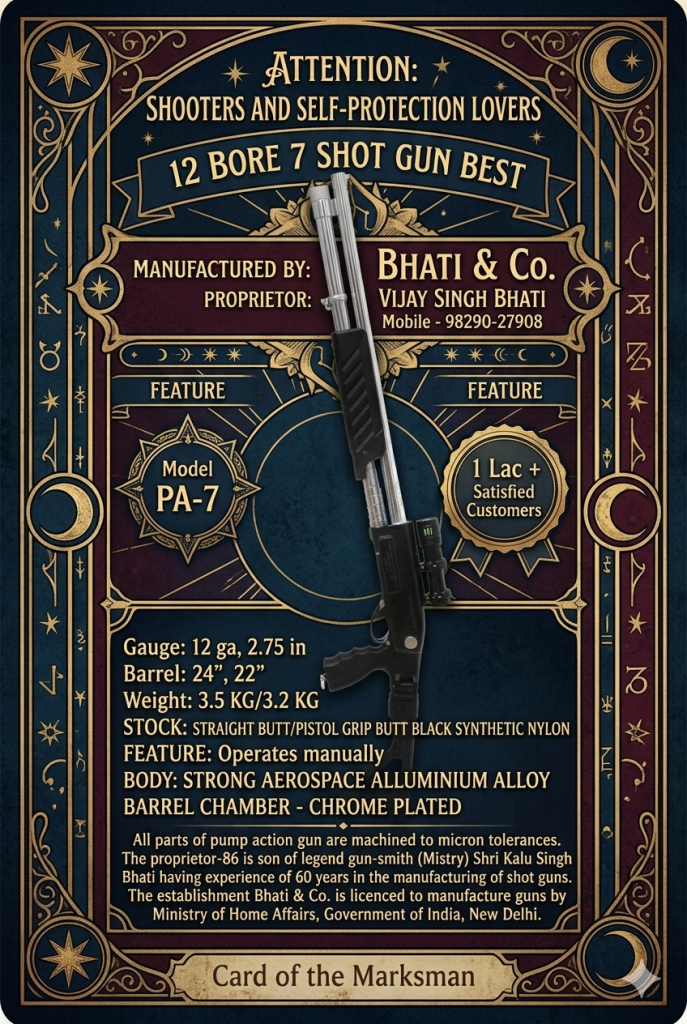
- Corrosion Resistance: Utilizing advanced stainless-steel internals, chrome-plated barrel chambers, and specialized rust-proof black coatings, modern manufacturing techniques ensure that these pieces can endure up to 50 years of operational readiness.
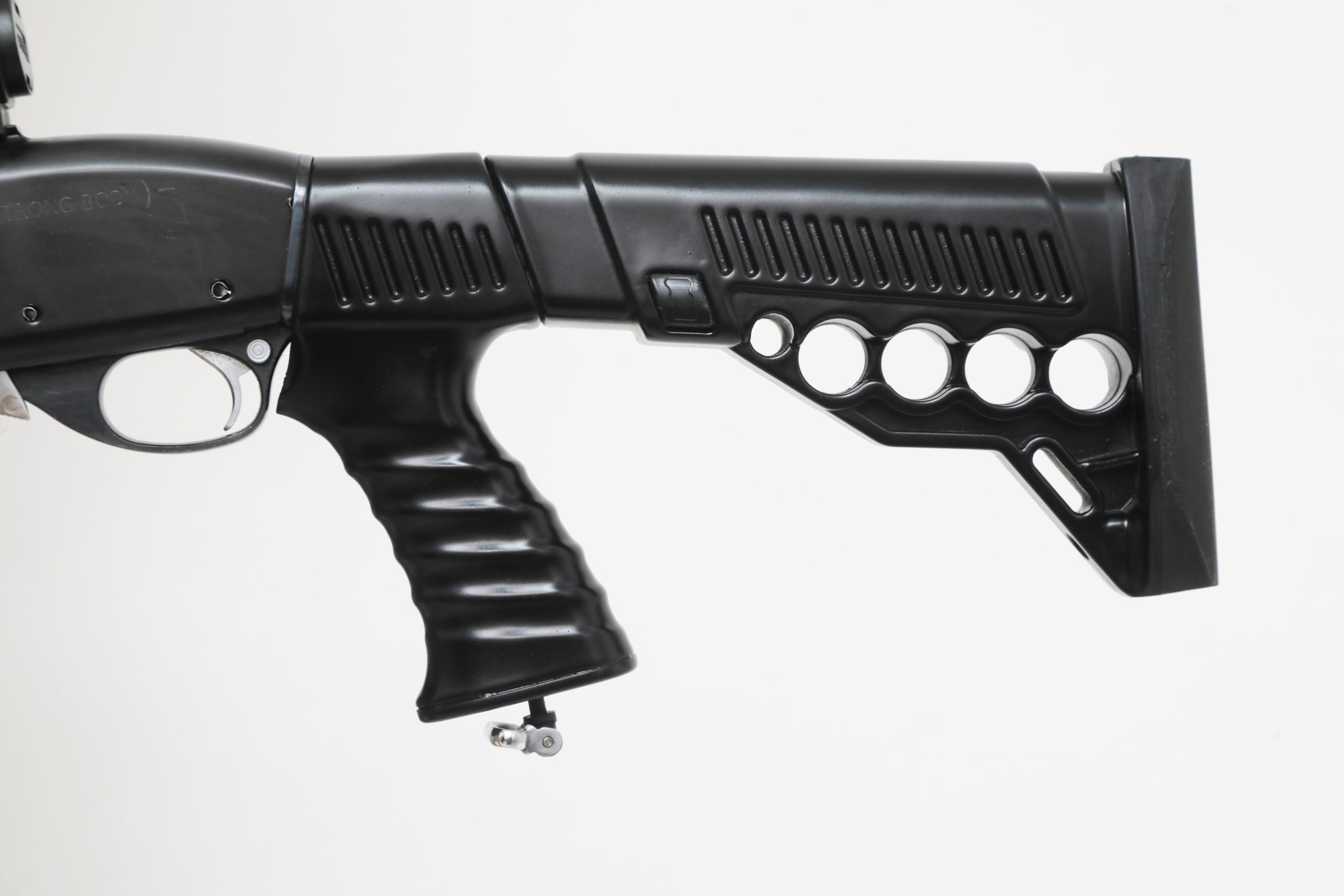
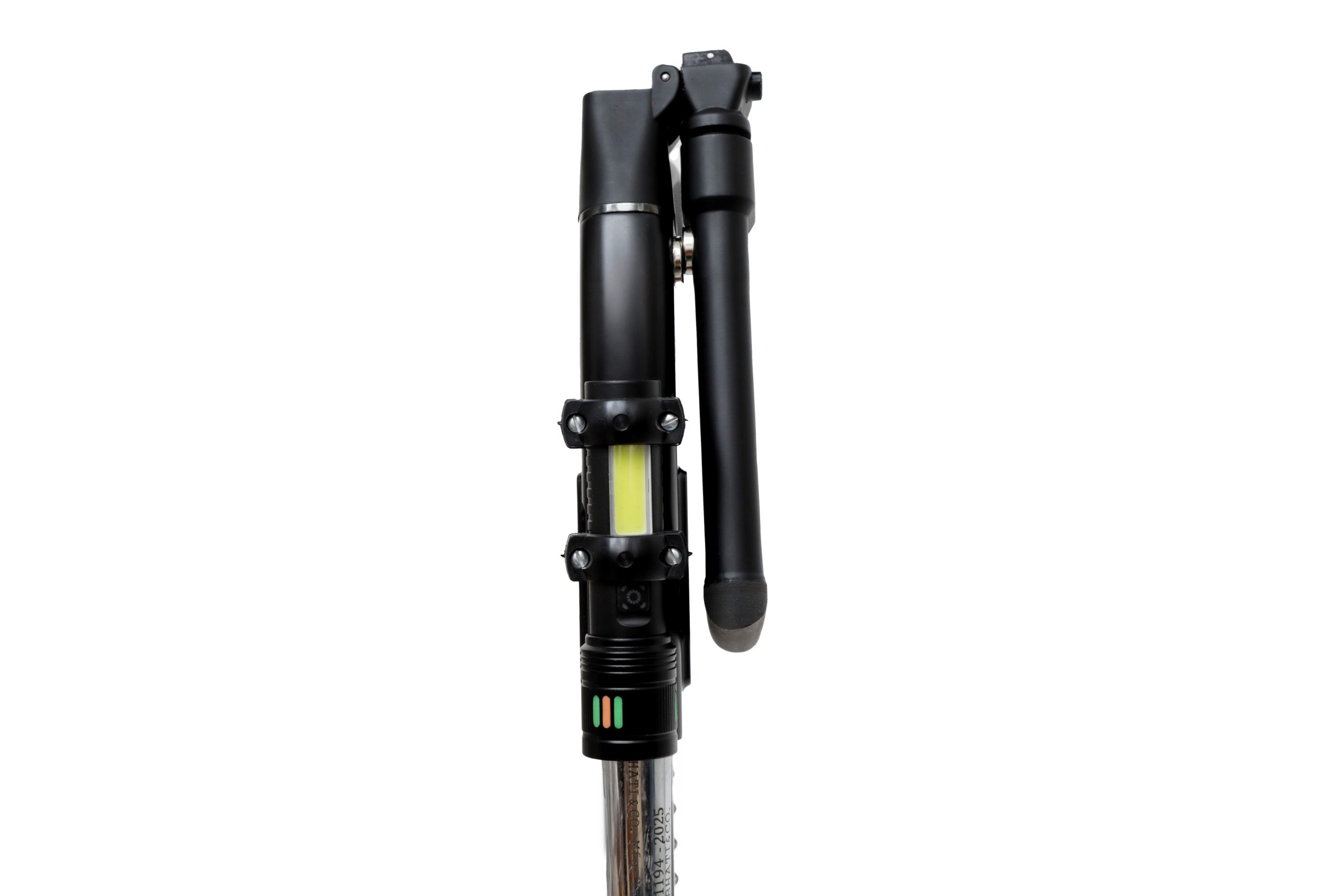
- Tactical Comfort: Shifting away from bulky traditional wooden furniture, contemporary models leverage black synthetic nylon stocks and pistol grips to give shooters a lightweight (approx. 3.2 to 3.5 KG) weapon that provides exceptional recoil mitigation and swift pointing capability.
5. Legal Compliance & Purchasing in India
All prospective owners must understand that owning a 12 Bore Pump-Action Shotgun in India is strictly bound by federal law:
- Licensing Mandate: Possession, sale, or transfer requires a valid, active Arms License granted by the relevant District Magistrate or Government Licensing Authority, complying strictly with the Arms Act, 1959 and Arms Rules, 2016.
- Strictly Informational: Reputable manufacturers maintain a web presence solely to educate the public on the engineering specifications, historical relevance, and aesthetic qualities of their catalog; no direct over-the-counter online booking, web sales, or direct digital checkouts are permitted. Transactions must always be completed physically through authorized dealers upon verification of legitimate legal paperwork.
The 12 Bore Pump-Action SBBL shotgun remains an enduring icon of defensive engineering—a perfect convergence of historical reliability and modern security.